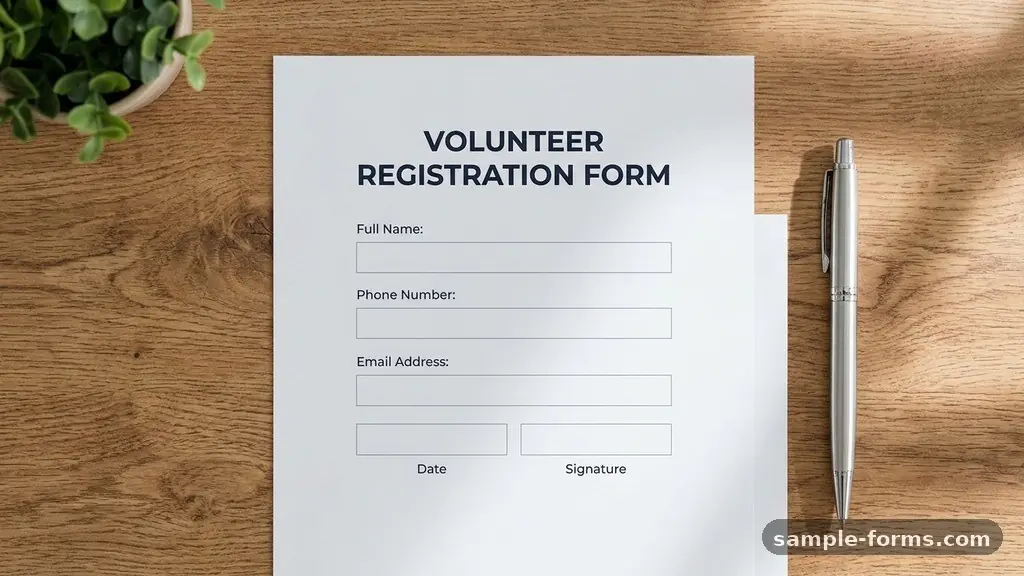
A well-designed volunteer registration form serves as the primary bridge between an organization’s mission and the individuals ready to support it. By capturing the right details from the start, you ensure that every person joining your team is placed in a role where they can truly excel.
This process acts as the foundation for your entire volunteer management strategy, helping you organize data efficiently while respecting the time of those who want to help. Getting these fields right transforms a simple administrative task into a meaningful first step for your new recruits, setting the tone for a productive and long-lasting partnership.
Essential Personal Contact Information
The most fundamental purpose of any volunteer registration form is to establish a reliable line of communication. You cannot coordinate a successful event or program if you lack accurate ways to reach your team members. Start with the basics: full legal name, preferred name, email address, and a primary phone number.
These identifiers are the bare minimum needed for your nonprofit CRM integration to function correctly. Without them, you risk losing track of potential supporters before they even arrive for their first shift.
Beyond basic contact details, you should ask for a mailing address or at least a city and state. This helps you understand the geographic reach of your volunteer base and identify which local communities you are serving most effectively.
You might also consider adding a field for communication preferences, such as whether they prefer text messages, emails, or phone calls. Respecting these boundaries from the very beginning demonstrates that you value their time and personal space, which is critical for long-term retention.
Emergency Contact Information and Safety
Safety must always remain a priority when managing a group of people, regardless of the nature of the work. You need to collect emergency contact information, including the name of a person to call, their relationship to the volunteer, and their current phone number.
This is a non-negotiable field for any organization hosting physical events, especially those involving outdoor activities or manual labor. Having this information readily available in your database can make a life-changing difference during an unexpected health crisis.
It is also wise to include a brief section regarding medical conditions or allergies that the staff should know about. While you must handle this data with extreme care, knowing that a volunteer has a severe nut allergy or requires specific medication is vital for their well-being.
Always include a small note explaining that this information is kept confidential and is only used for safety purposes. By showing you are prepared to protect them, you build trust and demonstrate that your organization is professional and responsible.
Capturing Skills and Areas of Interest
A volunteer registration form should act as a gateway to understanding the unique talents each person brings to the table. Instead of just asking for a resume, provide a structured list of checkboxes where users can select their areas of interest, such as event planning, graphic design, tutoring, or manual labor.
This skill assessment helps you match individuals with roles that actually excite them. People are far more likely to stay committed to an organization if they feel their specific expertise is being utilized effectively.
You should also include an open-ended question that allows volunteers to describe any special certifications or professional skills they possess. For example, someone might be a certified accountant, a licensed driver, or a fluent speaker of a second language.
These hidden gems are often missed if you only provide a limited list of categories. By giving them space to share their background, you might discover resources that could help your organization grow in ways you hadn’t previously considered.
Availability and Scheduling Preferences
Efficiently managing a team requires a clear understanding of when your supporters are actually available to help. Ask for their preferred days of the week and time slots, such as weekday mornings, weekend afternoons, or occasional evening shifts.
Providing a simple grid or a list of options makes this data easy to process. If you have specific, recurring events, you can even list these directly on the form so volunteers can sign up for specific dates right away.
It is also helpful to ask about the frequency of their commitment. Some people are looking for a one-time project, while others want a consistent, long-term role.
Understanding this early on prevents the frustration of assigning a task to someone who cannot fulfill the required time commitment. You can view a volunteer management resource from the Corporation for National and Community Service to see how major organizations handle these logistical details at scale.
Waiver of Liability and Legal Requirements
Every registration form should include a clear and legally sound waiver of liability. This document protects your organization by outlining the risks involved in volunteering and having the participant acknowledge those risks.
While you should always consult with a legal professional to ensure your wording is compliant with local laws, a standard waiver covers basic accidents or property damage. Including this as a required checkbox ensures that no one can participate without acknowledging the terms of service.
If your work involves minors or vulnerable populations, you must also address volunteer background checks in your documentation. You can include a field asking for consent to perform these checks, which is a standard practice for many nonprofits.
Clearly stating that these checks are a requirement for safety ensures that everyone understands the vetting process before they begin. This transparency helps maintain a secure environment for everyone involved in your programs.
Data Privacy and Compliance Standards
In the modern digital landscape, you must be transparent about how you handle the information you collect. Your form should include a link to your privacy policy and a clear statement regarding data privacy compliance.
If you operate in or recruit from regions with strict regulations, you must ensure your collection methods align with GDPR or other relevant local statutes. This is not just about avoiding legal trouble; it is about building a foundation of integrity with your community.
Consider adding a checkbox where volunteers can opt-in to receive your newsletter or periodic updates about your organization. Never assume that someone who wants to volunteer also wants to be added to your general marketing list.
By giving them a choice, you maintain a cleaner mailing list and ensure that your communications only reach people who are genuinely interested in your updates. This level of respect for their digital footprint is a hallmark of a well-run organization.
Comparing Common Registration Fields
To better visualize how these fields should be prioritized, consider the following data points that are commonly included in various types of volunteer forms.
| Field Category | Importance | Data Type |
|---|---|---|
| Full Name | High | Text |
| Email Address | High | |
| Emergency Contact | Critical | Contact Info |
| Skills Assessment | Medium | Checkboxes |
| Liability Waiver | Critical | Digital Signature |
| Newsletter Opt-in | Low | Boolean |
Managing the Onboarding Process
Once the registration form is submitted, the work of integrating the new volunteer into your culture begins. Use the data collected to trigger an automated email sequence that provides information on orientation scheduling.
This makes the transition from a digital form to an active participant feel smooth and intentional. If you have a specific training manual or a video for new recruits, this is the perfect time to share it.
The information gathered from the form should also populate your internal tracking systems immediately. If you are using a nonprofit CRM, ensure that the fields on your form map directly to the fields in your database.
This eliminates manual data entry, which is a common source of errors and lost information. By automating this workflow, you free up your team to focus on building relationships rather than managing spreadsheets.
Frequently Asked Questions
Why is it necessary to collect a digital signature on my form?
A digital signature provides a legal record that the volunteer has read and agreed to your terms, such as your liability waiver. It is far more reliable than a simple checkbox and is generally accepted as a valid form of consent in most jurisdictions.
How do I handle sensitive health information safely?
You should store medical information in a secure, encrypted database that is only accessible to authorized staff members. Always explain to the volunteer exactly who will have access to this data and why it is being collected, ensuring they feel comfortable sharing it.
What should I do if a volunteer refuses to provide their address?
While you can make certain fields optional, you should explain why you need specific data to make the volunteer experience better. If they still refuse, assess whether that information is strictly necessary for their specific role or if you can proceed without it.
How often should I update my registration form?
Review your registration form at least once a year to ensure it still reflects your organization’s needs. As your programs change, you may find that you need to add new skill categories or update your waiver language to remain compliant.
Can I collect demographic data for grant reporting?
Yes, you can collect demographic data, but it is best to make these questions optional. Many volunteers prefer to keep this information private, so frame it as a way to help you report on your organization’s impact to funders.
Conclusion
A thoughtful approach to your volunteer registration form will save you countless hours of administrative work while helping you build a stronger, more engaged team. By clearly defining what information you need and why you need it, you show your supporters that your organization is both professional and deeply appreciative of their contributions. Remember that every field you include should serve a specific purpose, whether it is for safety, scheduling, or better understanding the unique talents of your volunteers.
Take the time to review your current process and see where you can simplify or clarify your questions to improve the experience for everyone. When people feel that joining your team is an easy and respectful process, they are much more likely to show up and stay involved for the long haul. Start refining your intake process today to ensure you are ready to welcome your next group of dedicated helpers.